
Building Before the Next Monsoon: How Precast Construction Can Help Indian Projects Save Time and Control Costs
November marks an important planning period for construction projects across much of India. The monsoon has largely passed in many regions, site conditions are improving, and developers, contractors and infrastructure companies are preparing for the next phase of construction.
For projects in Gujarat and other parts of western India, this period can be an opportunity to move forward with civil works, drainage, foundations, industrial infrastructure and site development before the next cycle of extreme summer heat and monsoon rainfall.
But a favourable construction season does not automatically guarantee a project will finish on time or within budget.
Delays can still arise from labour availability, material procurement, site constraints, repeated on-site casting, curing requirements, transportation and coordination between different contractors. When these delays accumulate, they can increase project costs and affect the schedule for subsequent activities.
This is why more project teams are evaluating precast concrete as part of their construction planning.
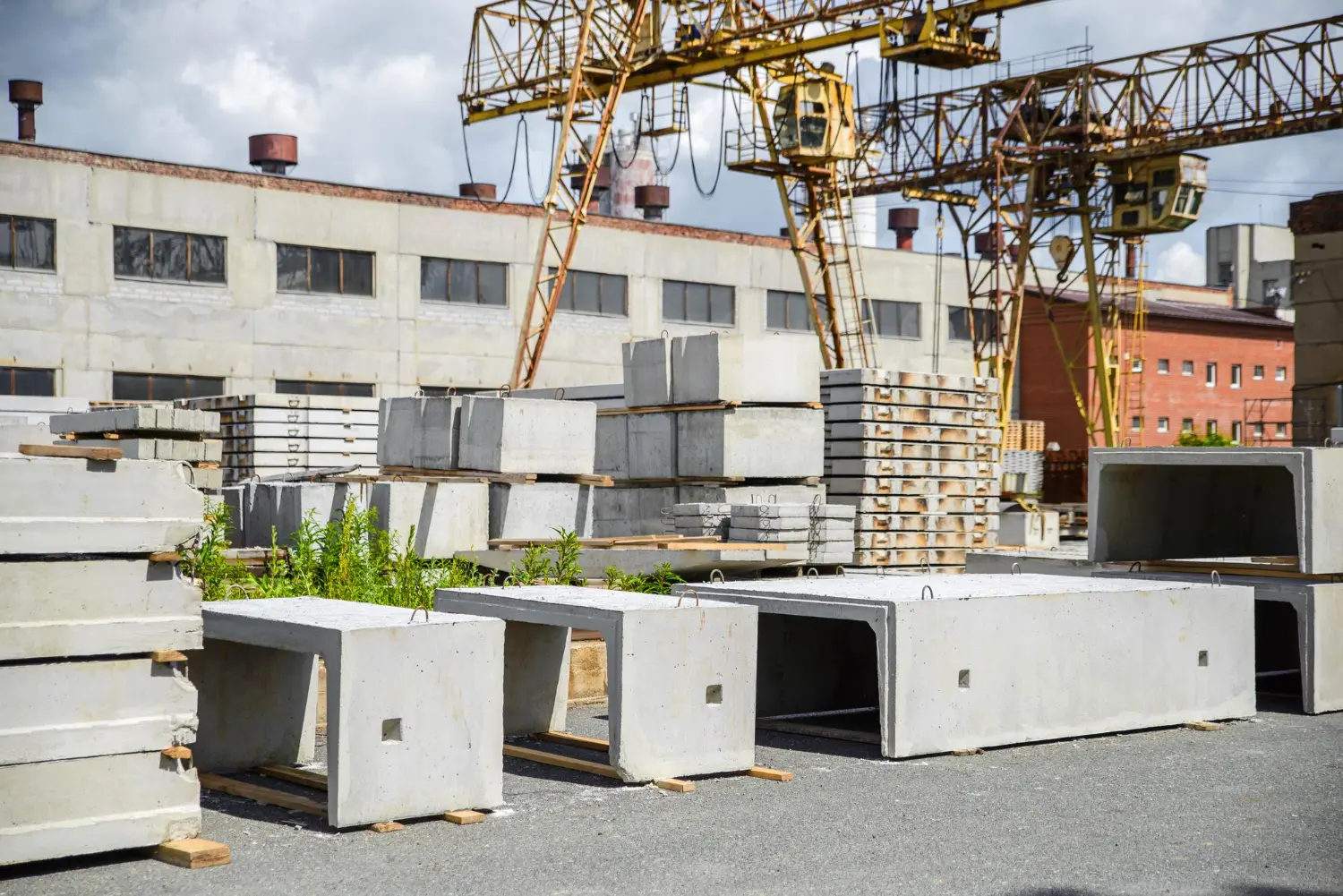
Precast construction involves manufacturing concrete components before transporting them to the site for installation. For suitable applications, this can reduce certain on-site activities, allow manufacturing and site preparation to progress in parallel, and create a more predictable sequence of work.
The Ministry of Road Transport and Highways has recognised industrialised precast concrete for its potential to support faster, all-weather construction, reliable quality and reduced user delays in suitable infrastructure applications. <Cite refs={["turn191710search0"]}/>
For infrastructure developers, EPC contractors and industrial project teams, the opportunity is not simply to build faster. It is to plan construction more efficiently, reduce avoidable delays and evaluate the total cost of execution.
Sachi Precast manufactures precast concrete solutions for infrastructure, industrial and renewable energy projects. Its product portfolio includes RCC pipes, box culverts, U drains, manhole chambers, retaining walls, footings and other precast components.
This article explores how precast construction can help projects make better use of the post-monsoon construction window, where cost savings may come from, and what buyers should evaluate before selecting a precast solution.
Why November is an important time for construction planning in India
Construction schedules are influenced by local weather, site conditions and the type of work being undertaken.
In many parts of Gujarat, November falls within the transition from the monsoon season to the drier months. This can create a practical window for planning and executing suitable construction activities.
However, the best construction period varies by region. Coastal areas, flood-prone locations, northern states and regions with different rainfall patterns may require different schedules.
Making use of the post-monsoon construction window
After heavy rainfall, project teams may need to inspect sites, assess drainage, restore access routes and confirm that excavation areas are suitable for the next stage of work.
Once site conditions are ready, contractors can coordinate activities such as:
- Site development and grading.
- Drainage and underground infrastructure.
- Foundation and footing work.
- Industrial and commercial civil works.
- Road and access infrastructure.
- Precast component installation.
The exact sequence depends on the approved design, ground conditions and project requirements.
Planning before the next monsoon
The next monsoon may still be several months away, but construction programmes should account for it early.
Projects that require extensive excavation, drainage installation or outdoor concrete work may benefit from planning the sequence around anticipated weather constraints.
This includes identifying which activities must be completed before heavy rainfall, which can continue under protection, and which can be manufactured away from the site.
Avoiding a rushed construction schedule
A shorter construction window should not lead to reduced quality checks or incomplete planning.
Approvals, drawings, quantities, manufacturing schedules and site readiness should be coordinated before work begins.
Precast construction can support a more organised programme, but it still requires proper engineering, manufacturing quality and installation planning.
How conventional on-site construction can increase project costs
Traditional construction methods remain suitable for many applications. However, some projects encounter cost and schedule challenges when a large amount of work must be completed sequentially at the final site.
Weather-related interruptions
Rain can affect excavation, concrete placement, site access, material storage and other outdoor activities.
Even when rainfall does not stop all work, wet ground or unsuitable site conditions can disrupt the planned sequence.
Repeated formwork and site preparation
For repetitive concrete components, on-site construction may require repeated formwork, reinforcement placement, concrete casting and curing activities.
The time and cost depend on the component design, labour productivity, project scale and construction method.
Labour and equipment coordination
Construction programmes depend on the availability of skilled labour, equipment and subcontractors.
When several activities must occur in sequence, a delay in one work package can affect the teams scheduled to follow.
Material storage and handling
Materials stored at the site may require protection from rain, moisture or other environmental conditions.
Poor storage or handling can create waste, additional procurement costs or delays.
Rework and schedule uncertainty
If site conditions, dimensions or execution details are not adequately coordinated, work may need to be corrected or repeated.
Rework can affect both cost and schedule, particularly when the affected activity is part of a critical construction sequence.
How precast construction can help projects build faster
Precast construction changes where and when selected concrete components are manufactured.
Instead of completing every concrete activity at the site, suitable components are produced in a manufacturing facility and delivered when the project is ready for installation.
1. Manufacturing can progress alongside site preparation
One of the major scheduling advantages of precast construction is the possibility of carrying out different activities in parallel.
While the site team prepares foundations, access routes or installation areas, suitable precast components can be manufactured.
This can reduce the amount of work that must be completed sequentially at the final site.
The actual time saved depends on design approvals, manufacturing lead time, transportation, installation capacity and site readiness.
2. Reduced on-site casting activities
Precast components can reduce the need for certain formwork, reinforcement and concrete placement activities at the project location.
This can be useful at sites where space, labour, access or weather conditions make extensive on-site casting difficult.
However, precast systems still require installation, jointing, grouting or other work where specified by the design.
3. More organised installation planning
Precast components can be manufactured and delivered according to an agreed installation sequence.
This may help contractors coordinate equipment, labour and work areas more effectively.
For large projects, delivery planning is particularly important because components must arrive in the correct sequence and be stored or installed safely.
4. Factory-based quality checks
Manufacturing in a controlled environment can support consistent production processes and inspection before dispatch.
Quality still depends on the manufacturer's procedures, the applicable specifications and the project's inspection requirements.
Precast components should be approved and manufactured according to the relevant drawings and technical criteria.
Can precast construction reduce overall project costs?
Precast construction can help reduce certain costs, but it is not automatically the lowest-cost option for every project.
The correct comparison should consider the complete installed cost rather than only the price of an individual concrete component.
Potential savings from reduced site activities
For suitable projects, precast construction may reduce some on-site formwork, scaffolding, concrete placement and related labour activities.
The amount of saving depends on the product, design, project scale and construction method being compared.
Potential savings from better scheduling
When manufacturing and site preparation can progress in parallel, the overall programme may become more efficient.
For commercial and industrial projects, earlier completion may also help the client begin operations sooner.
The financial value of this benefit depends on the project and should be evaluated rather than assumed.
Potential reduction in rework
Factory-based production and dimensional checks can help reduce certain inconsistencies when supported by appropriate quality control.
This may reduce the risk of avoidable correction work, but it does not eliminate the need for accurate design, site measurements and installation checks.
Transportation and lifting must be included
Precast components must be transported to the site and may require lifting equipment for installation.
These costs can be significant for large or heavy components, especially when delivery distances are long or site access is difficult.
The project team should compare these costs against the on-site construction activities that precast may replace.
Compare the total installed cost
A meaningful comparison should include:
- Manufacturing or material cost.
- Formwork and reinforcement activities.
- Labour and equipment.
- Transportation and unloading.
- Installation and jointing.
- Site preparation and foundations.
- Quality checks and testing.
- Expected schedule and coordination requirements.
For more detail, read Precast Concrete Price in Gujarat: What Determines the Cost of Precast Products.
How precast concrete can help manage weather-related construction challenges
Precast construction can reduce the weather exposure of certain concrete manufacturing activities because components are produced away from the final installation site.
This does not mean that every stage of a precast project is weather-independent. Site preparation, transportation, lifting and installation may still be affected by rain, wind, heat or ground conditions.
Factory production can continue during suitable weather conditions
Manufacturing in a controlled facility can reduce dependence on outdoor site conditions for the production of selected components.
This may help maintain progress during periods when site-based concrete work becomes difficult.
The actual operating conditions depend on the manufacturing facility, production process and quality requirements.
Less dependence on extensive on-site casting
Where precast components replace suitable cast-in-situ work, fewer concrete placement activities may need to be completed at the final site.
This can reduce the number of site activities directly exposed to rainfall.
Installation still requires suitable site conditions
Precast components must be transported, lifted and installed safely.
Heavy rainfall, waterlogged ground, poor access or unsuitable lifting conditions may still affect installation.
A weather-aware construction plan should therefore coordinate factory production with the site's expected installation windows.
Seasonal planning remains essential
For Gujarat and other regions with distinct monsoon seasons, project teams should plan both manufacturing and installation around local conditions.
The goal is not to eliminate weather risk entirely. It is to reduce avoidable exposure and make the construction sequence more manageable.
Which precast products can help infrastructure projects move faster?
Different projects require different components. Precast construction is most useful when the product, design and installation method are suitable for factory manufacturing.
Precast U drains for site drainage
Drainage installation is often an important part of industrial, commercial and infrastructure site development.
Precast U drains can be considered for suitable surface-water drainage applications where repeated sections are required.
They may help reduce certain on-site casting activities, subject to the drainage design and installation requirements.
Explore Sachi Precast's U drains with covers.
RCC box culverts for road crossings
Box culverts provide enclosed passages beneath roads and other structures where the design requires a defined drainage opening.
Precast box culverts can be considered for suitable projects where manufacturing, transportation and installation conditions support their use.
Learn more about precast box culverts.
RCC pipes for drainage networks
RCC pipes can form part of underground drainage and water-conveyance systems.
The required diameter, class, jointing and installation arrangement must be established by the project design.
Explore RCC pipes and Hume pipes.
Precast manhole chambers for underground access
Manhole chambers provide access to suitable underground drainage and utility networks.
Precast chambers can be considered where their dimensions, connections, loading and installation conditions match the approved design.
See Sachi Precast's manhole chambers.
Precast foundations for suitable structural applications
Precast foundations may be considered for selected structural and infrastructure applications where the design, soil conditions, connection details and installation method support their use.
Explore footings with pedestals.
Retaining walls for site development
Retaining walls may be required to manage changes in ground elevation and create suitable development platforms.
Precast retaining wall systems can be considered where the engineering design and site conditions make them appropriate.
Explore precast retaining walls.
Planning a faster construction project before the next monsoon
For projects beginning or progressing during the post-monsoon period, the following steps can help improve coordination.
Finalise drawings and specifications early
Manufacturing should not begin until the required drawings, dimensions, quantities and technical specifications have been reviewed and approved.
Late design changes can affect mould preparation, production scheduling, delivery and installation.
Identify components suitable for precast construction
Review the civil works package to identify repetitive or suitable concrete components that could be manufactured off-site.
The decision should consider structural design, site access, transportation, installation equipment and total cost.
Coordinate manufacturing with site readiness
The site must be ready to receive, store or install components when they arrive.
Manufacturing and dispatch schedules should be coordinated with foundations, access routes, lifting arrangements and the installation sequence.
Plan transportation and unloading
Large precast components may require specific transport vehicles, route planning and lifting equipment.
These arrangements should be confirmed early, especially for projects with multiple delivery locations or restricted site access.
Establish quality checks before production
The project team should confirm the applicable inspection, testing and acceptance requirements before manufacturing begins.
This helps ensure that the supplied components meet the project's specifications.
Build a weather-aware schedule
The construction programme should identify activities that are particularly sensitive to rainfall, heat, wind or ground conditions.
Where suitable, manufacturing can be planned separately from site activities to reduce exposure to certain weather-related delays.
Why Sachi Precast is relevant for infrastructure and industrial projects
Sachi Precast is a Gujarat-based precast concrete manufacturer serving infrastructure, renewable energy and industrial construction applications.
Its product range includes drainage, foundation, retaining and other precast components that may be relevant to large civil works packages.
A range of products for connected civil works
Infrastructure projects often require multiple types of precast components rather than a single product.
Sachi Precast's product portfolio includes RCC pipes, box culverts, U drains, manhole chambers, junction chambers, slope drains, retaining walls, footings, slabs and other precast solutions.
The suitability, dimensions and availability of each component should be confirmed against the project specification.
Documented experience across major projects
Sachi Precast's published project portfolio includes the Adani Green Renewable Park, NTPC Solar Park, Tata Power Mundra and the Mumbai–Ahmedabad Bullet Train project.
These projects demonstrate the company's involvement in infrastructure environments requiring different precast components and project-level coordination.
Manufacturing, supply and installation considerations
Depending on the project, precast procurement may involve manufacturing only or a wider scope covering supply and installation.
Buyers should confirm the exact responsibilities, schedule, technical requirements and commercial terms for their project.
To discuss a project requirement, visit Sachi Precast's contact page.
Frequently Asked Questions
Is November a good time to start construction in Gujarat?
November often falls within the post-monsoon period in Gujarat, when conditions may be more suitable for many outdoor construction activities. However, the best schedule depends on the site's location, ground conditions, project type and approved construction plan.
Can precast construction reduce construction costs?
It can reduce certain costs for suitable projects by reducing some on-site activities, improving scheduling and supporting repeatable manufacturing. The total cost must also include transportation, lifting, installation and any project-specific requirements.
Is precast construction faster than traditional construction?
Precast construction can shorten the overall programme when manufacturing and site preparation progress in parallel and the components are ready for installation. The actual time saving depends on design approvals, production, transportation, site readiness and installation capacity.
Can precast construction continue during the monsoon?
Factory manufacturing of suitable components may continue under appropriate production conditions. However, site preparation, transportation and installation can still be affected by rainfall, ground conditions and safety requirements.
Which precast products are suitable for industrial site development?
Depending on the design, industrial projects may use U drains, RCC pipes, box culverts, manhole chambers, retaining walls, foundations and other precast components. The final selection should be based on approved drawings and project specifications.
Does precast construction eliminate weather-related delays?
No. It can reduce the weather exposure of certain manufacturing activities and some on-site casting work, but transportation, lifting, installation and site preparation remain sensitive to weather and ground conditions.
What should I share with a precast manufacturer for a project quotation?
Provide the product type, approved drawings, dimensions, quantities, technical specifications, delivery location, required schedule and whether the quotation should include transportation, unloading or installation.
Conclusion
The post-monsoon construction period provides an opportunity for Indian developers, contractors and infrastructure companies to review their construction programmes before the next cycle of extreme weather.
For suitable applications, precast concrete can help reduce certain on-site activities, support more organised installation planning and allow manufacturing to progress alongside site preparation.
The strongest commercial case comes from evaluating the complete project—not simply assuming that precast is always cheaper or faster. Product suitability, manufacturing quality, transportation, installation and schedule coordination all influence the outcome.
Sachi Precast offers a range of precast concrete products for infrastructure, industrial and renewable energy projects, supported by documented experience across major developments.
If your project is entering its post-monsoon construction phase, this is a practical time to review the civil works package, identify suitable precast components and coordinate manufacturing with the site schedule.
Contact Sachi Precast to discuss your project requirements.
Build Smarter With Sachi Precast
From ready-made precast components to fully customized solutions, we handle everything from manufacturing to on-site erection — delivering faster, stronger, and more efficient construction outcomes.